

Mount Etna is about 35 km from Catania, with an estimated journey from staying at Etna Catania Center. For a day trip, you can head to the south-side cable car at Piazzale Rifugio Sapienza or arrange an excursion that combines transport with a specialist guide; access depends on weather and volcanic conditions.
- South-side starting point: Funivia dell’Etna departs from Piazzale Rifugio Sapienza in Nicolosi.
- Cable-car elevation: The ride goes from 1,923 metres to 2,500 metres.
- Higher-altitude option: Tour 3000 combines a cable car, an off-road vehicle and a guided walk.
- Before setting out: Check the alert level, weather, permitted routes and any restrictions.
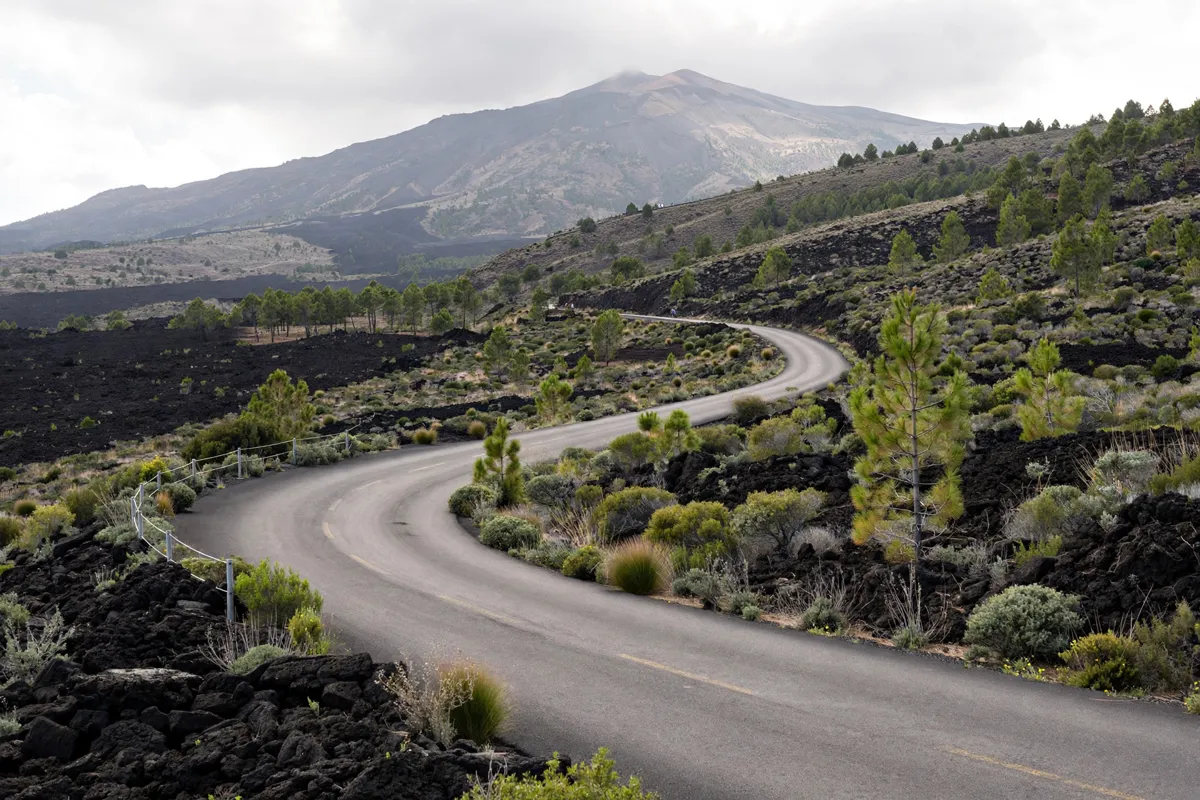
Choose a route and starting point
The south-side route starts at Piazzale Rifugio Sapienza, where Funivia dell’Etna runs from Nicolosi toward the upper station at 2,500 metres. The cable car begins at 1,923 metres, so it gives you access to a higher part of the volcano without walking the full elevation on foot.
For a more extensive high-altitude outing, Tour 3000 combines the cable car from approximately 1,920 metres to 2,500 metres, onward transport to 2,800 metres and a volcanological-guide walk to 3,000 metres.
The vehicle is a 4x4 in summer or a snowcat in winter. Treat this as a guided excursion, not an independent extension of the cable-car ride: routes and access depend on conditions.
Choose your starting point and route around the areas you are permitted to enter on the day. The summit zone can include the summit craters, the upper Valle del Bove up to about 1,700 metres, and areas generally above 2,500 metres on Etna’s south, west and north sides. It may also include lower ground near active lava flows or eruptive vents.
How do you get from Catania to Mount Etna?
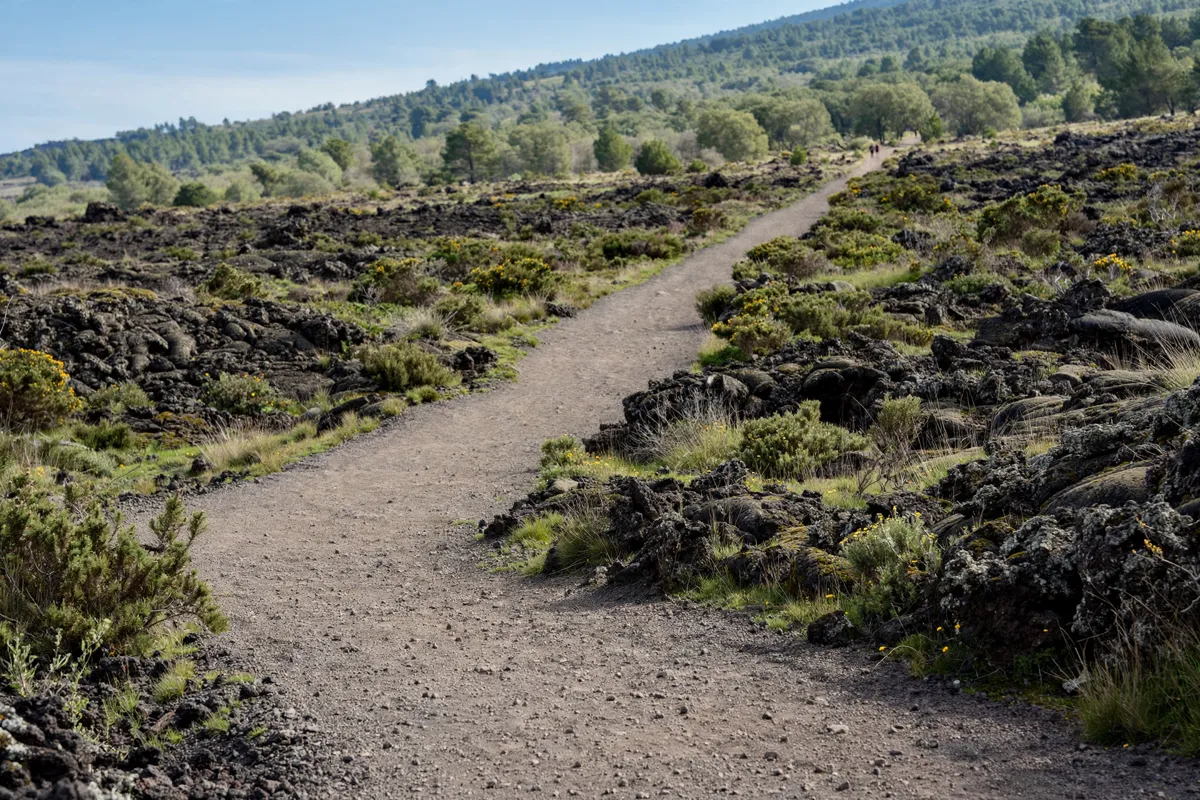
The facts here identify the south-side cable-car station as a departure point, but do not establish a public bus route or schedule from Catania. If you are planning the journey independently, confirm your transport to Piazzale Rifugio Sapienza rather than assuming a direct bus connection. For getting around Catania before departure, see this guide to Catania public transport.
You can also arrange an excursion that includes transport and a guided high-altitude section. Tour 3000 is one such option: it combines the cable car, a 4x4 in summer or snowcat in winter, and a walk with a volcanological guide.
Confirm the day’s route and operating conditions with the operator before you leave Catania. If you are planning your arrival by air, see how to get from Catania Airport to Etna Catania Center.
The south-side cable car lists daily service from 8:30 a.m. to 4:45 p.m., with the last descent at 5:15 p.m. Weather and technical conditions can affect service, so do not plan your return around those times without checking first.
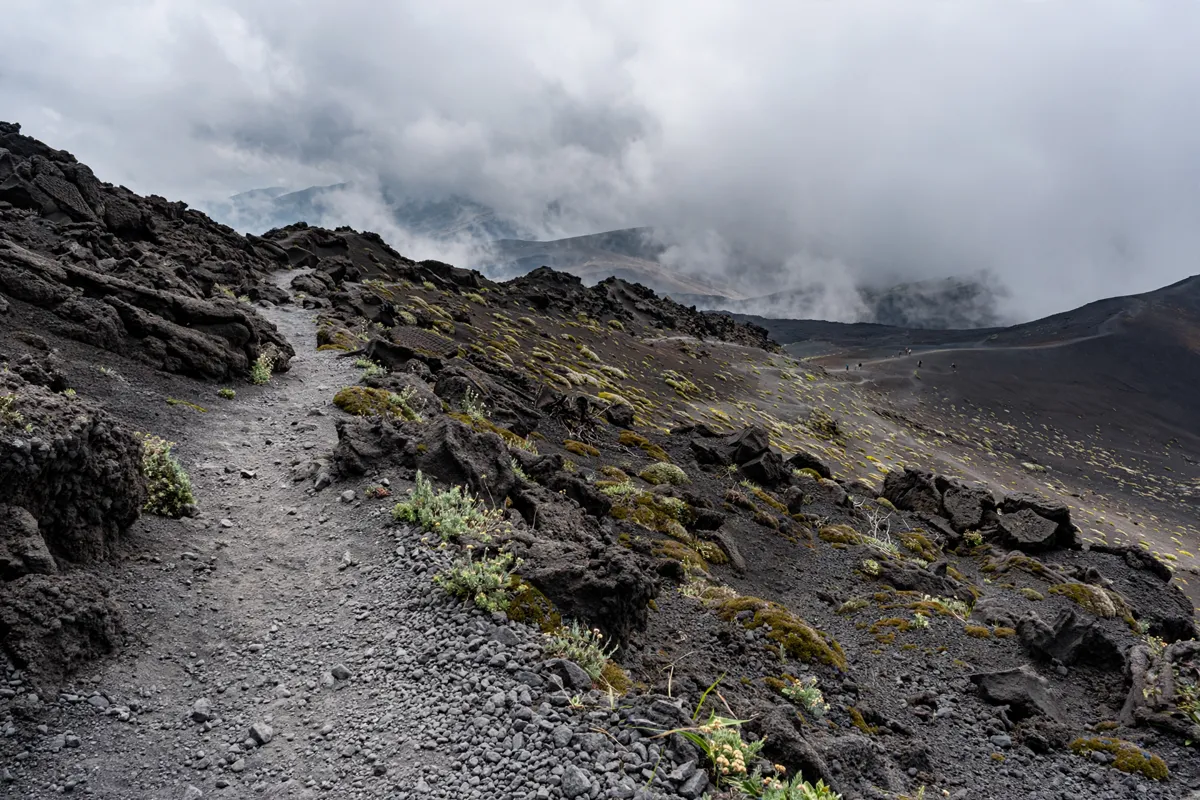
Weather, volcanic access and safety
Weather, volcanic activity and official restrictions determine which parts of Mount Etna you can visit. The Regional Sicilian Civil Protection Department defines exclusion zones and operational phases.
In a pre-alarm phase, authorities exclude the permanent-danger zone; in an alarm phase, they exclude the summit zone. The regional department declares these phases based on information from the ETNAS system of INGV, the national Civil Protection Department and/or evolving eruptive activity.
If authorities exclude an area you are in, leave immediately by safe routes and follow instructions from authorities and local operators. Before entering the summit area, check the alert level, local operational phase, weather, hazards, permitted routes and any prohibitions. Excursions in the yellow zone and summit-crater area should be accompanied by appropriately qualified specialist guides.
High-altitude weather can change suddenly and unpredictably. For an excursion, the department recommends suitable clothing and equipment, including hiking boots, a windbreaker, a hat, food, water, a mobile phone and a torch. Funivia dell’Etna lists equipment rental at the upper cable-car station, including windbreakers, boots and poles.
The cable-car operator does not recommend its high-altitude excursion for people with heart or respiratory conditions, high blood pressure, or for pregnant women. Dogs are permitted if kept on a leash and wearing a muzzle; large luggage and drones are not allowed.
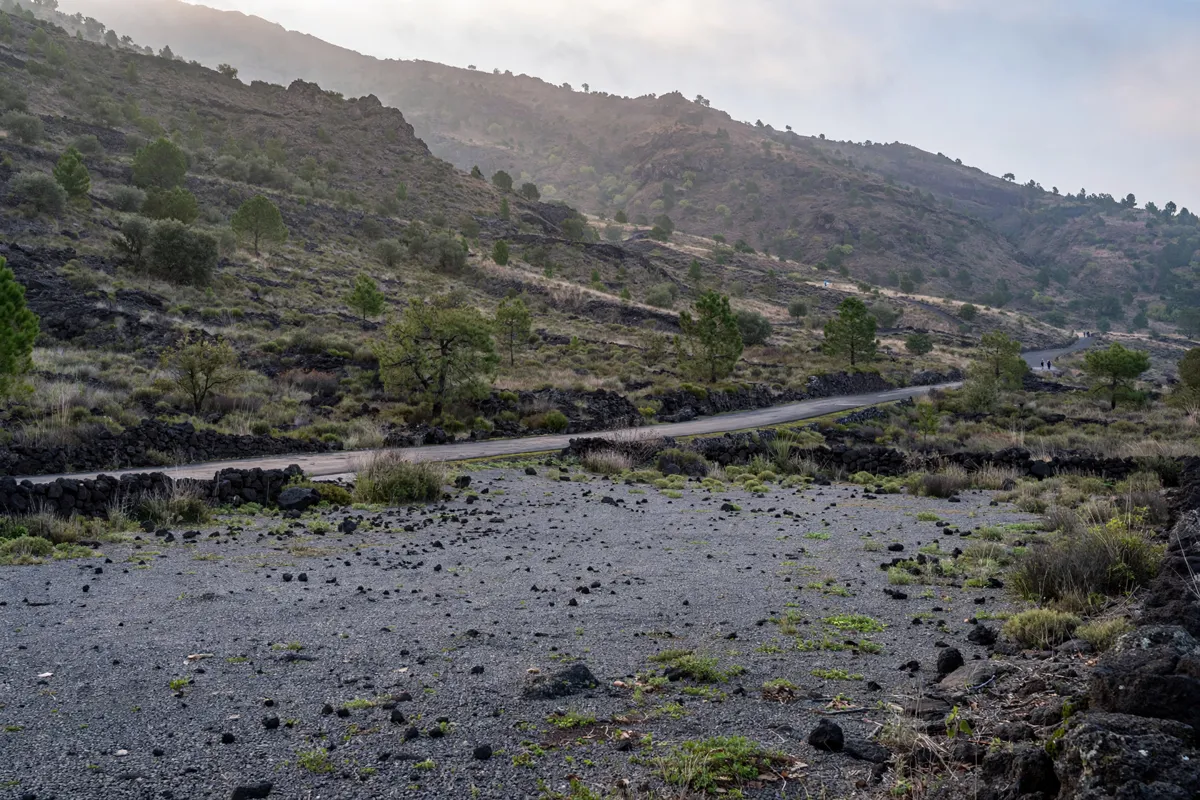
What to confirm before departure
Before you set out, confirm the transport plan, cable-car operation and current access restrictions. The cable-car operator lists a €54 round-trip ticket to 2,500 metres and says online purchases include Fast Track access to boarding. It also lists Tour 3000, but excursion availability and operating details can depend on conditions.
Check the volcano’s alert level and permitted routes as well as the weather, and make sure you know what to do if authorities restrict access. For transport, tickets, service times and route conditions, check the official site before you go.
FAQs
How far is Mount Etna from Catania?
Mount Etna is about 35 km from Catania. The travel time depends on your transport and route.
Where does the cable car to Mount Etna leave from?
Funivia dell’Etna departs from Piazzale Rifugio Sapienza on Etna’s south side in Nicolosi. Its cable car runs from 1,923 metres to an upper station at 2,500 metres.
Can you visit the summit area without a guide?
The Regional Sicilian Civil Protection Department recommends appropriately qualified specialist guides for excursions in the yellow zone and summit-crater area. Check the day’s permitted routes and restrictions before entering the summit area.
What should you bring for a high-altitude excursion?
Recommended equipment includes hiking boots, a windbreaker, a hat, food, water, a mobile phone and a torch. Weather can change suddenly and unpredictably at high altitude.